
- Ergonomic Products
- Ergonomic Furniture
- Yoga
- Meditation
- Pilates
- Air Treatment
- Blog
- Resources
- About Us
- Wholesale
- Ergonomic Products ▼
- Ergonomic Furniture ▼
- Yoga ▼
- Meditation ▼
- Pilates ▼
- Air Treatment ▼
- Blog
- Resources ▼
- About Us
- Wholesale
- Sign in
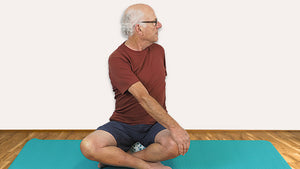
Yoga is one of the best exercises for older adults because it improves balance, flexibility, bone strength and mental wellbeing while putting almost no stress on the joints. Whether you are 60 or 80, a regular yoga practice helps you move more easily, sleep more soundly and stay independent for longer. You do not need to be flexible to start, and you certainly do not need to twist yourself into a pretzel. All you need is a willingness to show up on the mat and a gentle curiosity about what your body can still do.
Getting older can certainly cause a few grumbles, and when the physical body starts to ache and joints become less flexible, certain activities become more difficult, potentially impacting our quality of life.
But here is the good news. Yoga is wonderfully suited to ageing bodies because it meets you exactly where you are. Unlike high impact sports or intense gym sessions, yoga offers a kind, adaptable approach. You can practise standing, seated or even lying down. Props like yoga blocks and yoga bolsters make every pose accessible, and a good teacher will offer modifications for everyone.
Anyone can experience the many benefits of a regular yoga practice, regardless of age, shape or bendy-ness.

Remember when you were little, touching your toes and hanging from the monkey bars was child's play? As we age, the number of muscle fibres in the body dwindle and shrink in size, compromising flexibility. Everyday tasks such as looking over your shoulder to reverse the car out of the driveway can become tricky, or even painful, as the muscles lack their former youthful elasticity.
Stretching and elongating the muscles with gentle yoga poses works well to soften them and make them more flexible, helping you move more easily.
Over time, bones lose density, making them susceptible to breakage. The good news is that it is possible to maintain bone strength and slow the rate of density decline. You simply have to keep active! Yoga poses which hold the weight of the body, even for a short time, such as downward-facing-dog, are particularly useful. You might find a set of yoga blocks helpful for making weight-bearing poses more accessible as you build strength.
Joints gradually lose their full range of motion from a lifetime of wear and tear. The cartilage, synovial membrane and synovial fluid that once kept the joints moving smoothly all start to decline. Slow, purposeful movement, such as an appropriate yoga sequence, stimulates production of the lubricating synovial fluid essential to cushion against stiffness and pain.
Yoga gets the blood pumping! Combined with the physical aspect of practice, paying attention to the breath and breathing deeply delivers a fresh burst of oxygen to the brain, helping you feel more vibrant and alert long after your yoga session.
Getting older may bring new worries into your life, meditation and pranayama practices in particular can create a soothing way to process these concerns, calm the mind and develop a healthy, positive mindset. Once learned, simple meditation and pranayama techniques can be utilised anytime, anywhere. If you are new to meditation, a comfortable meditation cushion can make sitting practice more comfortable.
Along with the physical signs of ageing, sleep patterns can get thrown out of whack. Many older adults say they are much lighter sleepers, and that a night's sleep does not feel as refreshing as it used to. Several yoga poses are quieting for both the body and mind and make a wonderful preparation for quality sleep. The practice of yoga nidra is of real value here too. This guided meditation takes about 20 minutes, but many proclaim it is as restful as four hours of sleep!
Every stage of life has its ups and downs. As we get older, it is important to stay focused on what is possible, rather than dwell on any perceived negative impacts of the ageing process. Through yoga we get in touch with our own awareness, and as we practice awareness of our physical movement with the breath and mind, yoga helps harness an attitude of self-love, acceptance and compassion to support the journey into our older years.
Taking a class with fellow yoga enthusiasts can help widen social circles and develop a sense of community. This holds great value for positive mental health, particularly for older adults who may be experiencing social isolation.
Good balance is tremendously important at any age, but with research showing falls and fall-related injuries as the leading cause of injury and hospitalisation for older Australians, learning to stay steady on your feet is vital. Standing yoga poses all work to strengthen the legs and ankle joints, which can be particularly vulnerable to giving way. Balance poses excel at strengthening one side of the body at a time, and as a bonus, they also help develop better mental focus and concentration.
Fun fact: a 2016 analysis published in Age and Ageing found that yoga-based exercise produced measurable improvements in both balance and physical mobility in adults aged 60 and over (Youkhana 2016). Across six trials with 307 participants, yoga showed a small but significant effect on balance and a medium effect on mobility. Not bad for a practice you can do on your living room rug!
Here's something interesting: a large review in the Annals of Internal Medicine (2023) looked at 33 yoga studies involving nearly 2,400 older adults and found that yoga improved key frailty markers like gait speed and lower-extremity strength (Loewenthal 2023). The researchers noted that yoga styles such as Hatha and chair-based methods were particularly well suited to this age group.
Most studies showing benefits used programs of two to three sessions per week, typically lasting 30 to 60 minutes each. Even a short daily practice of 10 to 15 minutes can make a real difference to flexibility and stress levels over time. The key is consistency rather than intensity. If three classes a week feels like too much to begin with, start with one and build from there. Your body will thank you.
It is also worth remembering that yoga is not an all or nothing commitment. On days when energy is low, even a few gentle stretches and a short breathing exercise count as practice. The cumulative effect of showing up regularly, even in small ways, is what delivers lasting results.
| Feature | Yoga | Walking | Gym Classes |
|---|---|---|---|
| Impact on joints | Low | Moderate | Variable |
| Improves balance | Yes (strong evidence) | Some | Some (if included) |
| Bone strength | Yes (weight-bearing poses) | Yes (moderate) | Yes (resistance training) |
| Stress reduction | Yes (breathwork + meditation) | Some | Limited |
| Flexibility | Yes (primary focus) | No | If stretching included |
| Equipment needed | Mat, optional blocks | None | Varies by class |
| Suitable for limited mobility | Yes (chair yoga options) | Moderate | Sometimes |
Did you know? A 2014 study published in Alternative Therapies in Health and Medicine found that yoga improved both sleep quality and overall quality of life in older adults with insomnia (Halpern et al., 2014). The researchers reported that outcomes were closely linked to how consistently participants practised. So rolling out the mat regularly really does make a difference!
Ready to try yoga? When you are ready, seek out a class that caters for participants over 60. Be sure to chat to your teacher and healthcare provider about any concerns you have before embarking on your yoga adventure. Check out the timetable at your local yoga studio or community centre for suitable classes. Want to explore at your own pace? Our yoga mats, yoga blocks, and yoga straps are a great place to start building a home practice.
Absolutely! Yoga is highly adaptable, and classes designed for older adults use gentle movements, props like yoga blocks, and modified poses to suit all ability levels. Always chat to your healthcare provider first if you have specific health concerns, and choose a class labelled for beginners or seniors. There is no age limit to starting yoga.
Research strongly suggests it can. A major meta-analysis found that yoga-based exercise improves both balance and mobility in adults aged 60 and over (Youkhana 2016). Since falls are the leading cause of injury and hospitalisation for older Australians, building balance through standing yoga poses is a smart, evidence-backed strategy.
Most studies showing benefits used programs of two to three sessions per week, typically lasting 30 to 60 minutes each. Even a short daily practice of 10 to 15 minutes can make a real difference to flexibility and stress levels over time. The key is consistency rather than intensity.
You do not need much to begin. A comfortable mat and some loose, breathable clothing will do the job. As you progress, props like yoga blocks and meditation cushions can help make poses more comfortable and accessible. Many older adults also find that a sturdy chair is useful for seated and supported poses.
Gentle styles like Hatha yoga, Chair yoga and Iyengar yoga are generally the best fit. These approaches emphasise alignment, use props for support and move at a pace that gives you time to settle into each pose safely. Avoid starting with vigorous styles like Power yoga or Ashtanga until you have built a solid foundation of strength and flexibility.
Whether you are stepping onto a mat for the first time or returning to yoga after a break, the evidence is clear. A regular, gentle practice offers real, measurable benefits for older adults, from stronger bones and better balance to calmer minds and deeper sleep. Start where you are, move at your own pace, and enjoy every moment on the mat. Browse our yoga mats, yoga blocks and yoga bolsters to find the props that support your practice.

Ready to start meditating but not sure where to begin? This beginner-friendly guide covers the basics, from breath awareness techniques to building a consistent daily practice.


Yes, 10 minutes of yoga a day is enough. This guide includes a complete 12-pose sequence you can do anywhere, with step-by-step instructions and answers to the most common questions about short yoga practices.